
In this collection
208 entries
Malone's Proposal and Gladys's Ideal
manuscript
Plot & Structure

Maple White's sketch-book
Artifact
Key Objects

Ataca
Indian guide and porter.
Characters

The Plateau
Geographic Region
Locations

The Lost World Plateau
## Overview The **Lost World Plateau** (also named **Maple White Land**) is a geographically isolated region in South America, characterized by its extreme elevation and perpendicular basaltic cliffs. It serves as a biological time capsule where prehistoric life forms have survived into the modern era. ## Mechanics and Rules * **Geological Origin**: The plateau is a result of a sudden volcanic upheaval in a far distant age. While South America is primarily a granite continent, this specific area is **basaltic and plutonic**, featuring striated red cliffs similar to Salisbury Crags. * **Isolation**: The region is cut off from the rest of the continent by perpendicular precipices of such hardness that they defy natural erosion. The cliffs range from five hundred to at least a thousand feet in height and often curve outwards at the top, making direct ascent impossible. * **Environmental Protection**: The base of the cliffs is surrounded by a swampy, jungly region infested with snakes, insects, and fever, acting as a natural deterrent to explorers. * **The Secret Gate**: Access is hidden behind a screen of **light-green rushes** on a specific tributary, leading to a tunnel of verdure and a shallow, pellucid stream that serves as the "private gate into the unknown." * **Internal Geography**: The plateau is shaped like a **shallow funnel**, with all sides sloping down to a central lake (**Lake Gladys**, later renamed the **Central Lake**). The vegetation is almost temperate, featuring beech, oak, and birch trees alongside prehistoric flora. * **Subterranean Access**: Historically, a tunnel existed that allowed access to the plateau. However, a **terrific earthquake** the previous year caused the upper end of the tunnel to fall in and completely disappear, leaving the inhabitants trapped. ## Limitations and Constraints * **Inaccessibility**: The cliffs are nearly impossible to scale. Even with modern climbing gear (irons, clamps, and ropes), the main cliff face remains impassable due to its overhanging nature. * **Superstitious Avoidance**: Local Indians avoid the area due to fear of the **Curupuri** (spirit of the woods), ensuring the plateau remains undisturbed by human interference. ## Examples from the Story * **Maple White's Sketches**: The American artist documented the red, ribbed cliffs and an isolated pyramidal rock crowned by a great tree. * **The Bridge Incident**: The expedition gained access by felling a sixty-foot beech tree across a forty-foot chasm from an isolated pinnacle to the plateau summit. * **The Watchtower**: Malone climbed an enormous **Gingko tree** to gain a panoramic view of the plateau, identifying the central lake and the internal basalt escarpments. ## Narrative Significance The plateau is the central mystery of the narrative, representing a "lost world" where the ordinary laws of nature are suspended, allowing for the survival of Jurassic-era creatures. Even after departure, the explorers view it as "OUR land," a place of glamour and romance that they intend to protect from being "vulgarized" by hunters and prospectors.
World & Mechanics

Pterodactyl wing fragment
Biological Specimen
Key Objects

McArdle's Assignment: The Challenger Interview
manuscript
Plot & Structure

The Red Cliffs
Geological Formation
Locations

Austin
Chauffeur and domestic servant to Professor Challenger.
Characters

Biological Conservation through Isolation
## Overview This mechanic explains the survival of extinct species on the plateau. Due to the physical barriers of the basaltic cliffs, the "ordinary laws of Nature" regarding extinction and evolution are altered. ## Mechanics and Rules * **Neutralized Checks**: The various environmental and predatory checks that influence the struggle for existence in the wider world are neutralized or altered within this closed system. * **Artificial Conservation**: Species that would have otherwise disappeared due to competition or environmental changes are "artificially conserved" by the accidental conditions of the plateau's elevation. * **Contemporary Ancestors**: Challenger describes these creatures as "contemporary ancestors," implying they are living links to the prehistoric past that have maintained their "hideous and formidable characteristics." ## Examples from the Story * **Iguanodons**: The expedition observed a family of five Iguanodons (two adults and three young) in a glade. These creatures, described as "monstrous kangaroos" twenty feet in length with slate-colored lizard skin, survived because the lush conditions of the plateau never changed. * **Pterodactyl Rookery**: A volcanic blow-hole on the plateau serves as a communal nesting ground for hundreds of pterodactyls, proving they lived in gregarious fashion similar to modern penguins. ## Narrative Significance This principle provides the scientific rationale for the story's central conceit, moving the plot from mere fantasy into the realm of speculative evolutionary biology.
World & Mechanics

The Pinnacle
Rock Formation
Locations

Evolutionary Continuity
## Overview **Evolutionary Continuity** refers to the uninterrupted lineage of prehistoric animals on the plateau, maintaining their Jurassic-era forms into the present day. ## Mechanics and Rules * **Stasis**: Because the environment has remained unchanged and isolated for millions of years, the species have not been forced to evolve into new forms or face extinction from modern competitors. * **Permanence of Types**: Challenger challenges the scientific consensus on the extinction of prehistoric life, asserting that certain types of animal life are permanent if their environment remains stable. * **Recent Specimens**: Unlike fossils, the biological material found near the plateau (such as the bone with dried cartilage) indicates that these creatures are currently living and "recent" in a zoological sense. * **Invasive Evolution**: Challenger hypothesizes that while the plateau's fauna evolved to the vertebrate stage naturally, higher forms like the **Ape-men** and **Accala Indians** are likely immigrants from the outside world who arrived in past ages and were subsequently trapped. ## Examples from the Story * **The Stegosaurus**: Malone observed a living **Stegosaurus** at the central lake, matching the sketch in Maple White's book. The creature possessed an arched back with triangular fringes and a bird-like head. * **The Unknown Bone**: A bone found in Maple White's kit, featuring a groove for a great tendon, is identified by Challenger as belonging to a large, fierce, and currently living animal unknown to science. ## Narrative Significance This mechanic establishes the stakes of the expedition: the discovery is not of fossils, but of living, breathing prehistoric monsters.
World & Mechanics

The Failed Scientific Ruse
manuscript
Plot & Structure
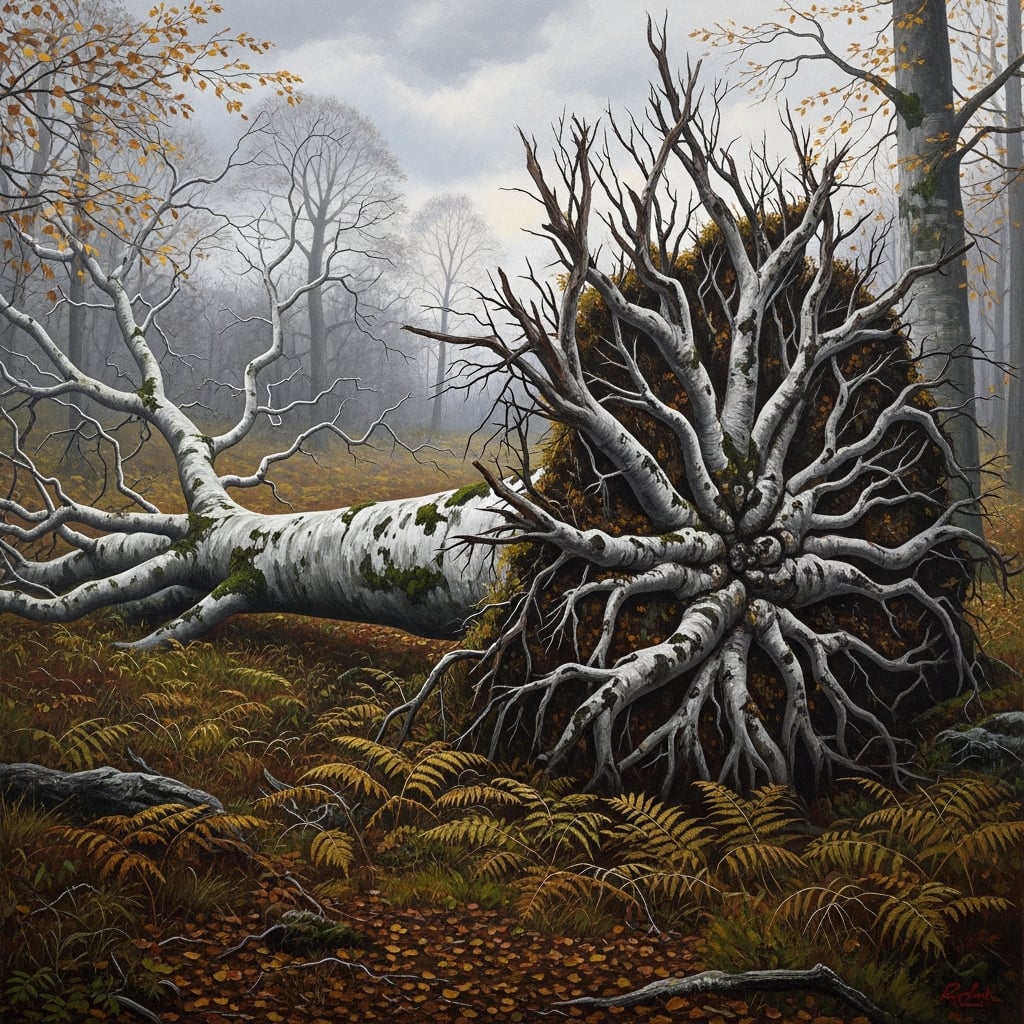
Beech tree bridge
Structure
Key Objects

Dr. James Illingworth
A rival zoologist from Edinburgh and primary scientific antagonist at the Queen's Hall meeting.
Characters

Fort Challenger
Camp
Locations

The Brawl at Enmore Park
manuscript
Plot & Structure
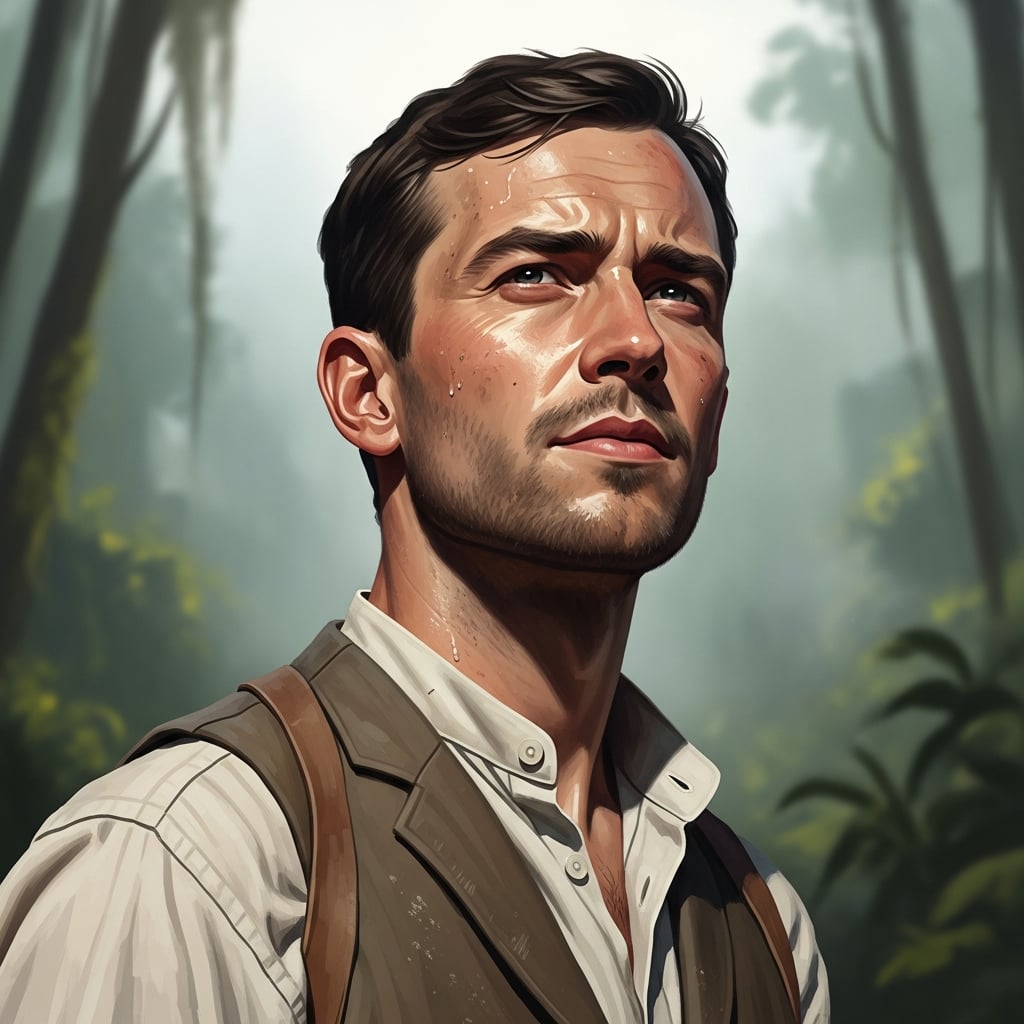
Edward D. Malone
Protagonist and narrator; a journalist for the Daily Gazette who records the expedition's journey and its aftermath.
Characters

Malone's chart of the plateau
Document
Key Objects

Basaltic Plateau Inaccessibility
## Overview The physical structure of the plateau's perimeter is the primary obstacle to exploration and the reason for its continued secrecy. ## Mechanics and Rules * **Material Composition**: The cliffs are made of **basalt**, a hard volcanic rock that resists the erosion that typically creates slopes or paths. The rock is described as "harder than marble." * **Perpendicularity**: The walls are described as perpendicular and often overhanging at the summit, offering no natural handholds or easy routes for ascent. * **The Pinnacle**: An isolated pyramidal rock exists near the main plateau, separated by a narrow cleft (approximately forty feet wide), which serves as the only known vantage point for observing the summit. ## Examples from the Story * **The Blocked Cave**: Maple White's original path through a water-worn cave was found to be blocked by a roof collapse of broken basalt, rendering the route impassable. * **The Bridge Sabotage**: The expedition was trapped on the plateau when the half-breed Gomez used a lever to tilt their improvised tree-bridge into the abyss. ## Narrative Significance The inaccessibility of the plateau creates the "locked room" mystery of the setting, ensuring that only the most heroic and determined individuals can uncover its secrets.
World & Mechanics

Amazonian River Navigation Constraints
## Overview The difficulty of navigating the Amazon and its tributaries serves as the first layer of protection for the Lost World. ## Mechanics and Rules * **Uncharted Tributaries**: The Amazon contains numerous tributaries that are entirely uncharted and unknown to modern geography. Challenger notes that with the Orinoco, some **fifty thousand miles of country** are opened up. * **Hazardous Rapids**: River travel is plagued by rapids that can easily upset boats. Challenger suffered a disaster at a steep rapid more than a mile long on his first journey. * **Seasonal Impact**: The "wet season" significantly increases the danger and difficulty of travel, often forcing expeditions to halt. * **Water Types**: Rivers are divided into "dark" (indicating vegetable decay) and "white/opaque" (indicating clayey soil). ## Examples from the Story * **The Boat Accident**: Professor Challenger lost his undeveloped films and his superb pterodactyl specimen when his boat upset in the rapids during his descent. * **The Hidden Route**: Challenger purposefully withholds the name and position of the specific tributary that leads toward the plateau to prevent others from following his path. ## Narrative Significance These constraints emphasize the "blank spaces on the map" mentioned by McArdle, justifying why such a massive geological feature has remained undiscovered by modern society.
World & Mechanics
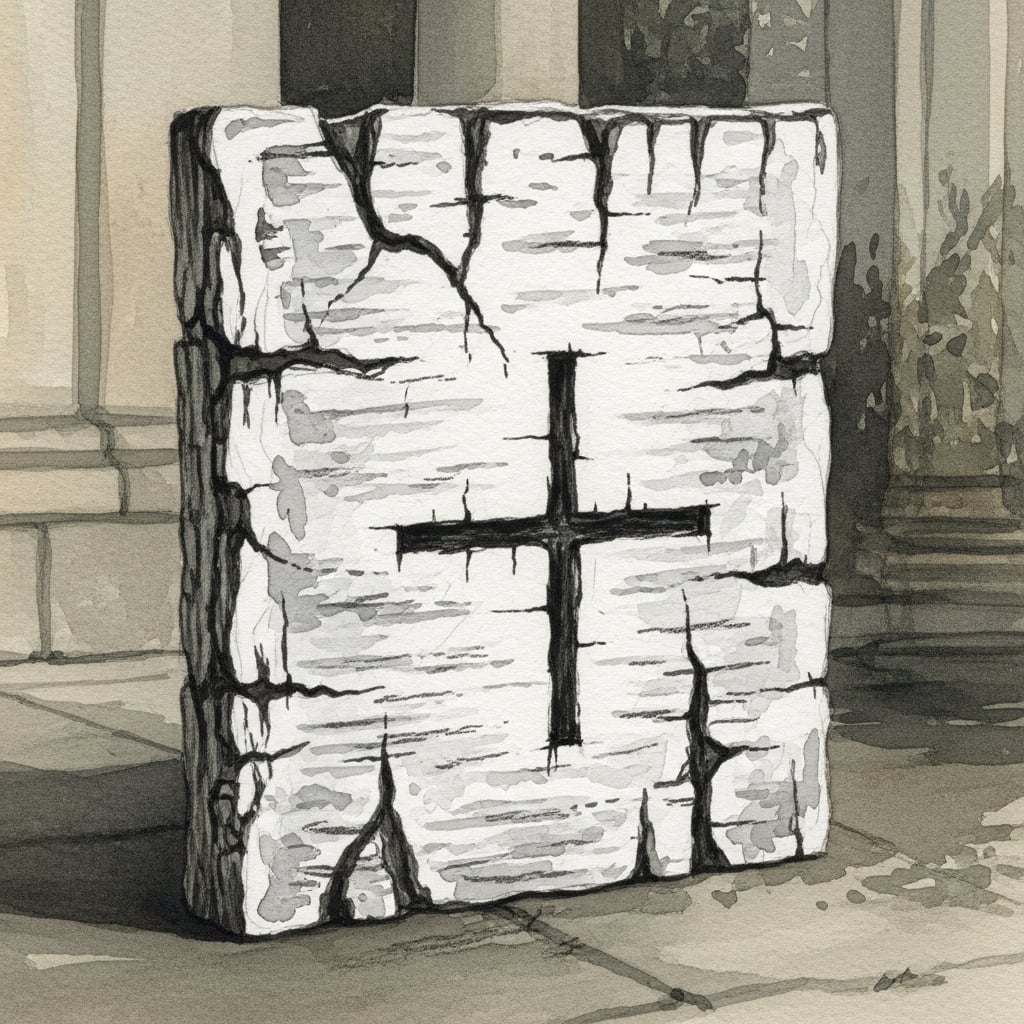
Chart of the caves
Document
Key Objects

The Revelation of Maple White's Sketchbook
manuscript
Plot & Structure

Lake Gladys
Lake
Locations

Gladys Hungerton
Malone's former love interest and the catalyst for his journey; she ultimately marries another man.
Characters

Live Pterodactyl
Creature
Key Objects

Arboreal Safety Constraints
## Overview In the hostile environment surrounding and atop the plateau, the height and type of vegetation provide both safety and scale. ## Mechanics and Rules * **Scale Indicators**: Large plants, such as the **vegetable ivory palm** (which grows to 50-60 feet), are used to gauge the massive size of the plateau's fauna. * **Safety through Elevation**: The presence of enormous trees on pinnacles suggests that height is a necessary defense against the terrestrial monsters below. The expedition found safety from pterodactyls by rushing among tree trunks where "huge wings had no space for their sweep." * **Matted Roof of Verdure**: The primeval forest creates a "Gothic upward curve" of branches that form a roof, keeping the forest floor in "majestic obscurity." * **Ape-Town Architecture**: The Ape-men utilize the trees for safety and habitation, building a town of a thousand huts made of branches and leaves in a great grove near the cliff edge. These huts are built one above the other among the branches, resembling a "rookery." ## Examples from the Story * **The Pterodactyl's Perch**: Challenger observed a pterodactyl standing atop an enormous tree on an isolated pinnacle, suggesting the creature uses height for nesting or observation. * **The Gingko Watchtower**: Malone used the height of an enormous Gingko tree to survey the entire plateau, though he encountered an **Ape-man** hiding in the branches, indicating that the trees are not entirely safe from intelligent threats. ## Narrative Significance Vegetation is used as a narrative tool to convey the "colossal" nature of the discovery and as a tactical element for survival against flying predators.
World & Mechanics
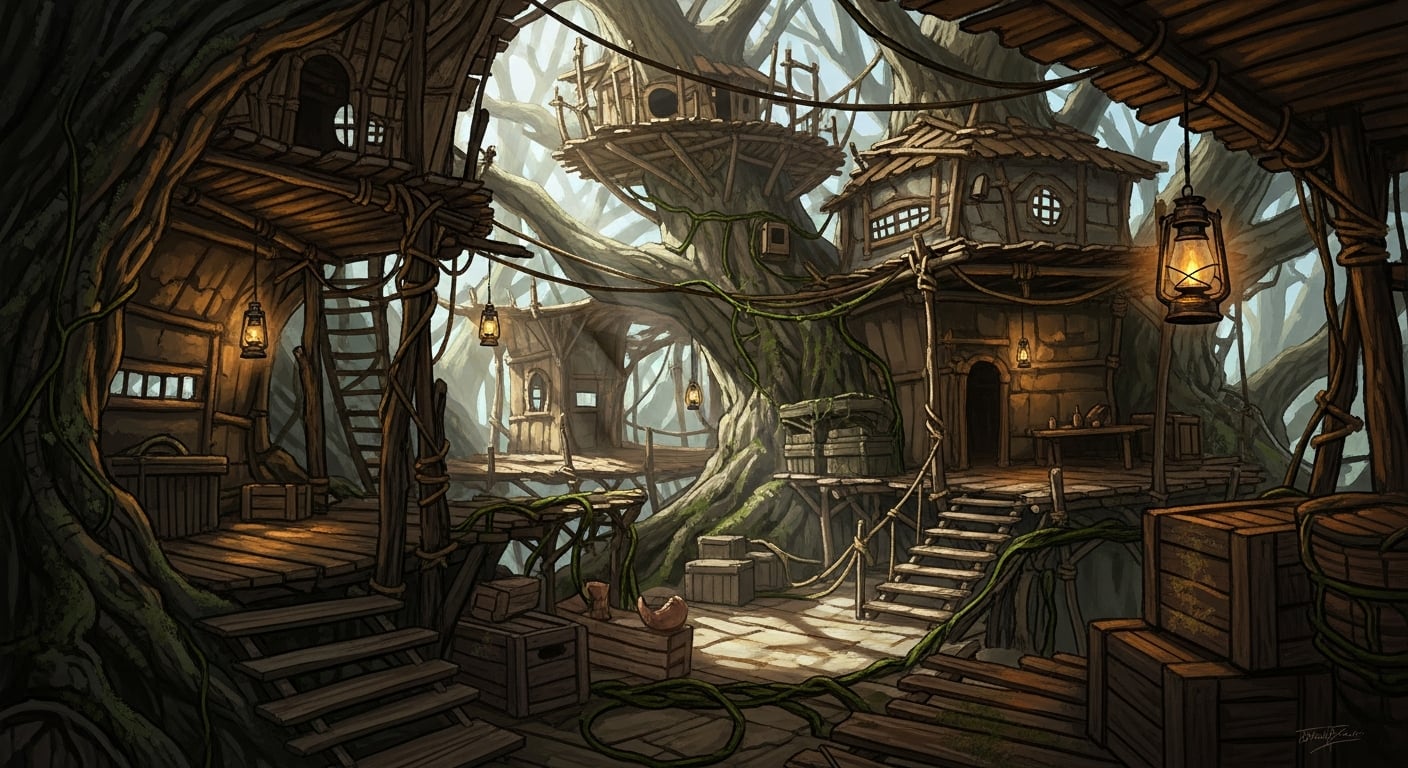
Ape-town
Settlement
Locations

Gomez
Antagonist; a personal servant and guide who betrays the expedition.
Characters

Evidence of the Pterodactyl
manuscript
Plot & Structure
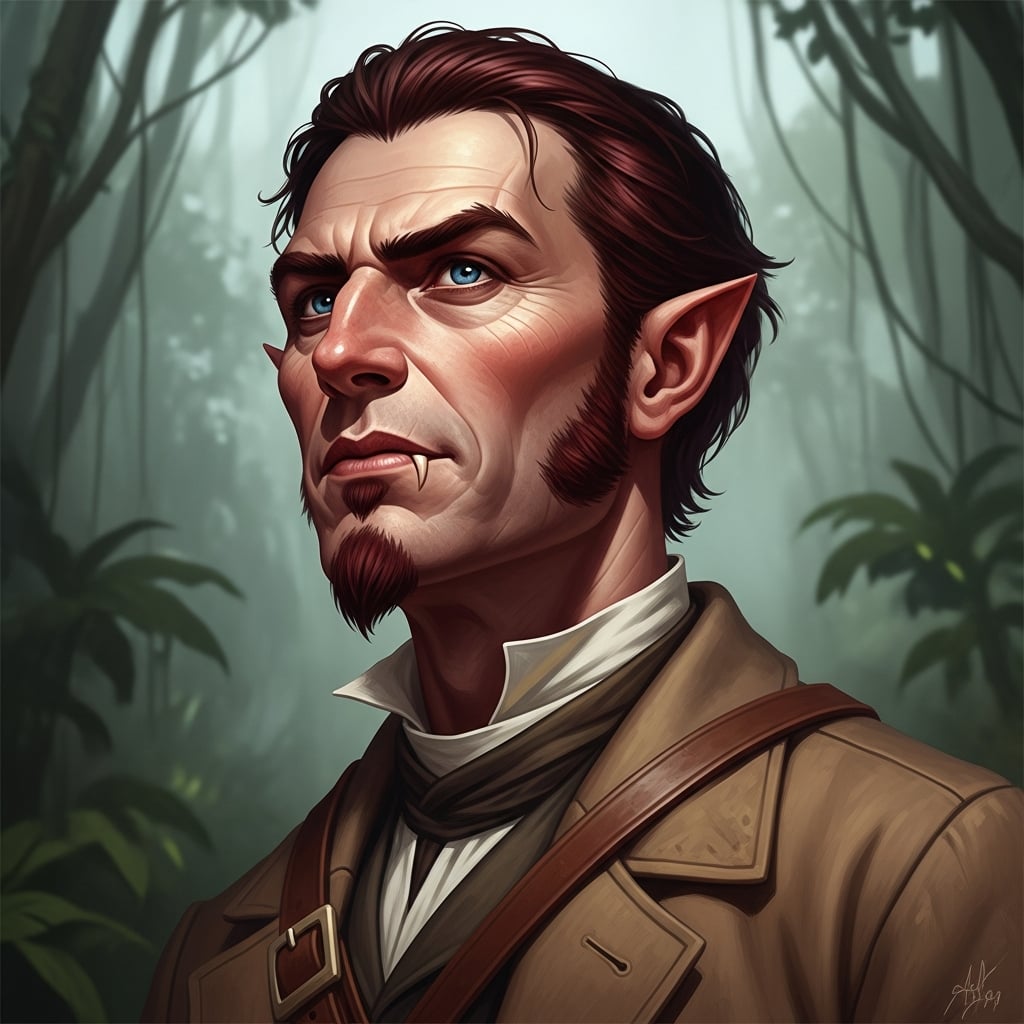
Lord John Roxton
Adventurer, sportsman, and tactical leader of the expedition; the provider of the party's financial windfall.
Characters

The Theory of the Isolated Plateau
manuscript
Plot & Structure

Indian Caves
Cave System
Locations

Volcanic Blue Clay Deposits
## Overview Mineral deposits resulting from the plateau's volcanic history, specifically found in volcanic tubes, which hold immense economic value. ## Mechanics and Rules * **Volcanic Origin**: The plateau is basaltic and plutonic, indicating a history of intense volcanic activity. * **Geological Indicators**: Lord John Roxton identifies **blue clay** found near the reeds of a volcanic pit (the pterodactyl swamp) as a "volcanic tube." * **Diamond Association**: Roxton recognizes the blue clay as identical to the geological conditions of the **De Beers Diamond Mine of Kimberley**. * **Extraction**: Roxton used a "spud" (a small spade) to extract rough stones from the clay while protected by a "contraption" to ward off pterodactyls. ## Examples from the Story * **The Rough Stones**: Roxton brought back twenty to thirty rough stones, varying from the size of beans to chestnuts. * **Valuation**: A single stone, once cut by Spink's, was valued as a beautiful glittering diamond. The entire collection was priced at a minimum of **two hundred thousand pounds**. ## Narrative Significance This mechanic provides the financial resolution for the characters, allowing them to pursue their dreams (Challenger's museum, Summerlee's research) and funding a future return expedition for Roxton and Malone.
World & Mechanics

Unknown animal bone
Biological Specimen
Key Objects

South American photographs
Document
Key Objects

The Escape Tunnel
Tunnel
Locations

Macdona
A fellow journalist and friend of Malone who reports on the Queen's Hall meeting.
Characters

The Gathering at the Zoological Institute
manuscript
Plot & Structure

The Balance of Nature (Predatory Checks)
## Overview The plateau operates under a unique ecological balance where prehistoric predators and prey interact within a confined space. ## Mechanics and Rules * **Internal Regulation**: Challenger hypothesizes that the carnivorous creatures must have a "check" that limits their numbers, otherwise they would have exhausted their food supply in the confined area of the plateau. * **Fierce Fauna**: The animals are described as "very large, very strong, and... very fierce." The carnivorous dinosaurs (Allosaurus or Megalosaurus) are capable of tearing an Iguanodon to pieces. * **Predatory Behavior**: Predators like the carnivorous dinosaur hunt by both **scent** (dropping their nose to the ground) and **sight** (springing in great bounds once the prey is seen). * **Nocturnal Habits**: Many of the most dangerous predators, such as the "horrible toad" monsters (**Stoa**), are primarily nocturnal, though they can be active during the day if disturbed in their lairs. ## Examples from the Story * **The Iguanodon Butchery**: The expedition found a glade where an Iguanodon had been "literally torn to pieces" by a predator, leaving pools of blood and lumps of flesh. * **The Night Attack**: A carnivorous dinosaur tracked Malone through the forest, demonstrating persistent hunting behavior and a "throaty gurgle of merriment" during its attack on the camp. ## Narrative Significance This mechanic establishes the plateau as a high-stakes environment where the characters are part of a brutal food chain, necessitating constant vigilance and the use of sentinels.
World & Mechanics

Challenger's Public Confrontation with Waldron
manuscript
Plot & Structure

Queen's Hall
Lecture Hall
Locations

Subterranean Cave Navigation
## Overview Potential routes through the basaltic cliffs that allow for ascent to the plateau summit, serve as dwellings, or provide a means of escape. ## Mechanics and Rules * **The Hidden Path**: Fissures or caves within the basalt serve as potential entry points. These caves are often water-worn with smooth sides. * **Troglodytic Dwellings**: The **Accala Indians** inhabit caves on the internal basalt escarpment. These caves are located on a specific stratum of soft rock between the volcanic basalt above and the hard granite base. * **Defensive Utility**: Caves provide narrow-mouthed refuges where large saurians cannot penetrate. The Accala caves are reached by long, steep stone stairs that are too narrow for large animals to mount. * **Internal Features**: The caves are warm and dry, featuring straight passages and walls decorated with excellent charcoal drawings of the plateau's fauna. * **The Forked Escape**: Some caves are "forked," with one arm leading to a cul-de-sac and another potentially leading through the cliff face to the outside world. ## Examples from the Story * **The Chart of the Caves**: A young Accala chief provided Malone with a bark chart showing eighteen cave openings. One cave, marked with a cross, was a forked passage that led to a small rift overlooking the cliffs. * **The Moonlight Rift**: The expedition escaped through a cave rift "not larger than a window," which allowed them to descend a hundred feet to the plain using their rope. ## Narrative Significance Caves represent the ultimate solution to the "locked room" problem of the plateau, providing a secret exit that bypasses the impossible cliffs.
World & Mechanics

Maple White's chalk-marks
Marking
Key Objects

Manuel
Personal servant and boatman for the expedition; accomplice to Gomez.
Characters

Climbing accessories
Tool
Key Objects

Maretas
A prince of the Accala Indians and the key to the expedition's escape.
Characters

The Formation of the Expeditionary Committee
manuscript
Plot & Structure

The Gapo (Seasonal Flooding)
## Overview The **Gapo** refers to the seasonally flooded forests of the Amazon basin which complicate travel to the plateau. ## Mechanics and Rules * **Seasonal Obstacle**: From December to May, the river rises nearly forty feet, flooding the banks and creating lagoons. This region is too marshy for foot-travel and too shallow for boating. * **Temporal Pressure**: Challenger was forced to abandon his first expedition because the "wet season" had arrived and his stores were exhausted. ## Narrative Significance It adds a layer of temporal pressure to any expedition, requiring precise timing to avoid being trapped or drowned.
World & Mechanics

Enmore Park
Residential Area
Locations

McArdle
News editor of the Daily Gazette.
Characters

Malone's notebook
Document
Key Objects

Departure on the Francisca
manuscript
Plot & Structure

The Albany
Residential Building
Locations

Active Volcanic Asphalt Pools
## Overview Geological features resulting from the plateau's volcanic and plutonic nature, appearing as pools of black, pitch-like substance. ## Mechanics and Rules * **Geothermal Activity**: The pools are characterized by surfaces that rise and fall in "great blisters of bursting gas." The air above is shimmering with heat, and the ground is too hot to touch. * **Biological Impact**: Creatures on the plateau, such as Iguanodons, are often found with **singular black circles** of asphalt on their hides. The expedition discovers that the Accala Indians use these marks to identify ownership of the Iguanodons, which they keep as tame herds. ## Narrative Significance These pools prove that the volcanic forces that created the plateau are still active, adding a hazardous environmental element to the setting and explaining the mysterious markings on the local fauna.
World & Mechanics

Challenger's Sealed Instructions
manuscript
Plot & Structure

Challenger's hydrogen balloon
Vehicle
Key Objects

Daily Gazette Office
Office Building
Locations

Prehistoric Homing Instinct
## Overview A hypothesized behavioral trait of the plateau's fauna, particularly regarding their movement and territoriality. ## Mechanics and Rules * **Navigation**: The instinct allows creatures to find their way back to the plateau across vast distances. * **Evidence**: The log of the **SS Friesland** reported a creature resembling a "flying goat" or "monstrous bat" heading south and west at a prodigious pace over the Atlantic, suggesting the escaped pterodactyl was attempting to return to South America. ## Narrative Significance This mechanic explains the fate of the escaped pterodactyl and reinforces the idea that these creatures are biologically tied to their isolated environment.
World & Mechanics

Mrs. Challenger
Wife of Professor Challenger.
Characters

Poisoned arrows
Weapon
Key Objects

Percival Waldron
A popular naturalist and lecturer.
Characters

Zoological Institute's Hall
Lecture Hall
Locations

Technological Superiority (Firearms Impact)
## Overview In a world of prehistoric monsters, modern firearms represent the primary power advantage held by human explorers, though they are not infallible. ## Mechanics and Rules * **Lethality**: Modern weapons can wound or kill prehistoric fauna. Lord John Roxton carries a **Bland's .577 axite express** and a **.470 with telescopic sight**. * **Psychological Impact**: The "crash of a gun" is a sudden, terrifying sound to creatures unaccustomed to it, often causing them to circle or retreat temporarily. The Ape-men, while not understanding the mechanism of firearms, learned to fear the "storm of death" they produced. * **Limitations**: Against certain massive reptiles like the **Stoa**, modern rifles are described as having no more effect than "pellets of paper." Their slow reptilian natures and decentralized nervous systems (scattered throughout the spinal cord) make them nearly immune to standard bullet wounds. ## Examples from the Story * **The Pterodactyl Defense**: Lord John used his elephant-gun to break the wing of a pterodactyl during an attack, which drove the others higher. * **The Battle of Ape-Town**: The expedition used their four rifles to create "horrible havoc" among the Ape-men, turning the tide of the war in favor of the Accala Indians. ## Narrative Significance Firearms provide the characters with a means of defense, but their noise and limited ammunition create a strategic tension between safety and exposure. Their failure against the largest monsters emphasizes the extreme danger of the plateau.
World & Mechanics

Arrival at Manaos and Recruitment of Retainers
manuscript
Plot & Structure

Cigar-box of diamonds
Container
Key Objects

Amazon River
River
Locations

Hydrogen Geyser Exploitation
## Overview The utilization of volcanic gases, specifically free hydrogen, for technological purposes on the plateau. ## Mechanics and Rules * **Gas Collection**: Bubbling mud geysers on the plateau evolve an inflammable gas lighter than the atmosphere. Challenger identifies this as containing a high proportion of **free hydrogen**. * **Balloon Construction**: Challenger uses the gas to inflate a balloon made from the dried and scraped stomach of a large fish lizard. The gas is collected via conical clay funnels and bamboo canes. * **Lifting Power**: The hydrogen gas provides significant lift, capable of pulling multiple men off the ground simultaneously. Challenger intended to use it as a parachute-like descent mechanism for escaping the plateau. ## Narrative Significance This exploitation of natural resources demonstrates Challenger's scientific ingenuity and his ability to "mold all Nature to his use," though the volatile nature of the gas and the improvised materials lead to a near-disastrous failure.
World & Mechanics

Professor George Edward Challenger
Leader of the expedition; a famous and controversial zoologist who achieves ultimate scientific vindication.
Characters

Challenger's Dramatic Reappearance
manuscript
Plot & Structure

Araucaria Bituminous Torches
## Overview Use of local flora for survival and light in the deep wilderness of the plateau. ## Mechanics and Rules * **Material**: A species of **Araucaria**, described as a dry bituminous wood. * **Utility**: The wood is highly flammable and used by the Accala Indians for torches. The expedition used faggots of this wood to illuminate the dark subterranean caves during their escape. ## Narrative Significance Represents the adaptation of explorers to the local environment using natural resources to overcome the darkness of the plateau's cave systems.
World & Mechanics

Professor Challenger's sealed envelope
Document
Key Objects
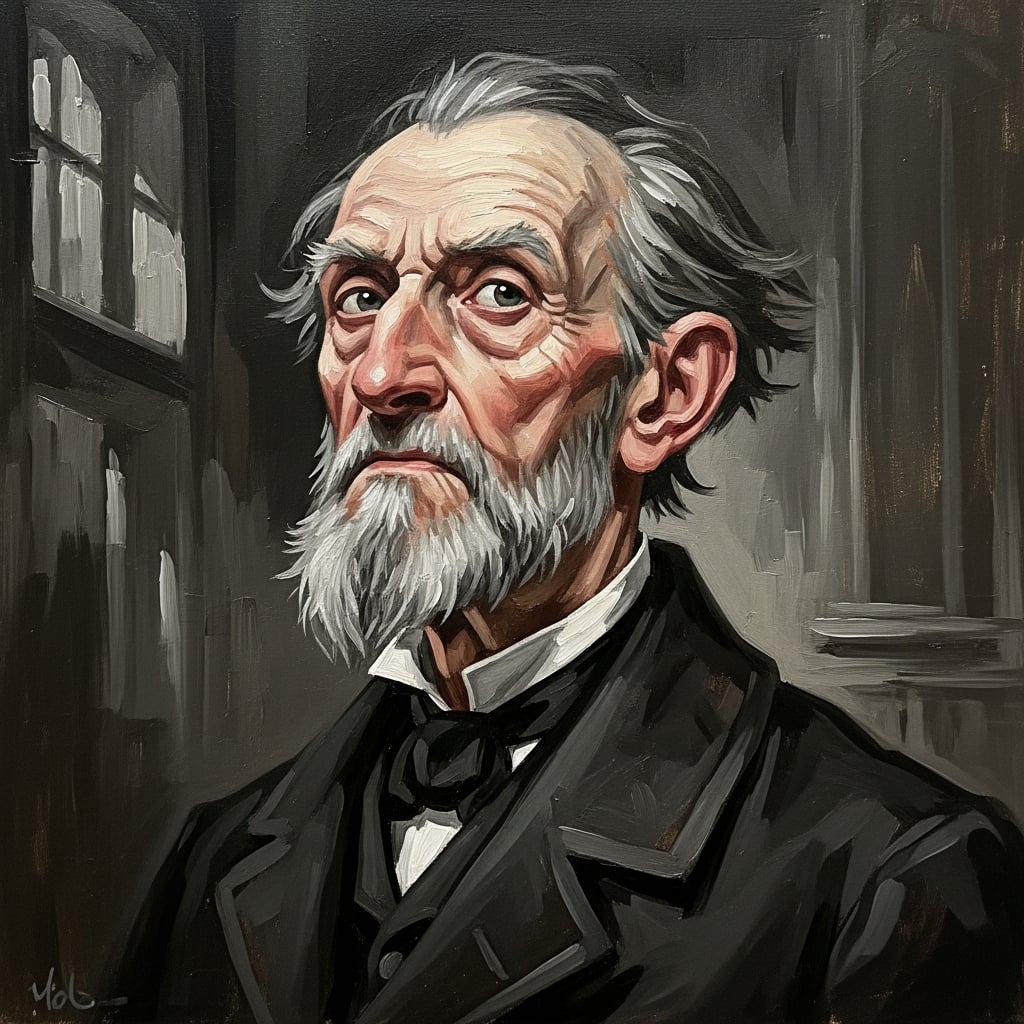
Professor Summerlee
Professor of Comparative Anatomy and member of the expedition committee; he serves as the official spokesman for the group.
Characters

The Journey Up the Amazon Tributary
manuscript
Plot & Structure

Regent Street
Urban Street
Locations

The Menace of the War Drums
manuscript
Plot & Structure

Manaos
City
Locations

Lord John Roxton's rifles
Weapon
Key Objects

Ape-Man Tribal Hegemony
## Overview A dominant, semi-intelligent race of **Ape-men** (Missing Links) that inhabited the plateau and maintained a social hierarchy until their recent defeat. ## Mechanics and Rules * **Physical Characteristics**: They are as big as men but stronger, with reddish hair, whiskered faces, and "glassy gray eyes." They have long arms, enormous chests, and a crouching gait. They are slower of foot than humans due to short, bandy legs. * **Intelligence and Tools**: They carry sticks and stones, use "jabbered talk" and signs, and build complex tree-towns. They are capable of tying prisoners with creepers and conducting ritualistic executions. * **Social Hierarchy**: They were led by a king who bore a striking physical resemblance to Professor Challenger. They maintained a "tribal hegemony" over their side of the plateau. * **Ritual Execution**: They practiced a form of execution where prisoners were forced to jump from the cliff edge onto a "bristle of sharp canes" below, a practice they turned into a "proper ceremony." * **Current Status**: Following the Accala-Doda war, the Ape-men were decimated. The males were exterminated, their city destroyed, and the survivors (females and young) were reduced to a servile race, acting as "hewers of wood and drawers of water" for the Accala Indians. ## Examples from the Story * **The Capture of the Professors**: Ape-men ambushed the camp and captured Challenger, Summerlee, and Roxton, treating Challenger with mock-regal respect due to his resemblance to their king. * **The Fall of Ape-Town**: The expedition and the Accala Indians wiped out the Ape-men males, driving the last survivors over the same precipice they used for their own executions. ## Narrative Significance The Ape-men represent the primary social antagonist for the first half of the plateau exploration, serving as a dark reflection of human society and scientific evolution.
World & Mechanics

Tarp Henry
A bacteriologist and staff member of 'Nature'; a friend of Malone.
Characters

Maple White's sign-post
Structure
Key Objects

the chief of the ape-men
Leader of the ape-man tribe on the plateau.
Characters

Discovery of the Secret Waterway
manuscript
Plot & Structure

Fazenda St. Ignatio
Estate
Locations

Accala-Doda War (Species Conflict)
## Overview A long-standing, merciless war between the two intelligent races of the plateau: the **Accala Indians** and the **Doda** (Ape-men). ## Mechanics and Rules * **Territorial Division**: Historically, the humans (Accala) held the side of the plateau with the caves, while the Ape-men (Doda) held the forested side near the cliffs. * **Nature of Conflict**: The war was characterized by constant raids, captures, and brutal executions. The Ape-men viewed the Indians as intruders and waged a war of cunning against them. * **Turning Point**: The arrival of the European expedition, with their "thunder and lightning" (firearms), allowed the Accala to launch a decisive campaign that resulted in the total annihilation of the Ape-men's power. * **Outcome**: The conflict ended with the extermination of the Ape-man males and the enslavement of the remaining population, establishing human supremacy on the plateau. ## Narrative Significance This conflict provides the narrative framework for the expedition's involvement in plateau politics, shifting the story from survival to a "decisive battle of history" that determines the fate of the world's last prehistoric ecosystem.
World & Mechanics

Lord John's electric torch
Tool
Key Objects

The Secret Tributary
River
Locations

the old chief
Leader of the Accala Indian tribe.
Characters

The First Pterodactyl Sighting
manuscript
Plot & Structure

Scientific Peer Review and Incredulity
## Overview The scientific community in London acts as a gatekeeper of truth, often rejecting radical discoveries that challenge established dogmas. ## Mechanics and Rules * **Dogmatism**: Established scientists are described as rejecting anything that does not fit their current understanding of evolution. Challenger calls them a "herd of swine." * **Demand for Proof**: The community requires "corroborative proofs" and is quick to label unusual findings as "fakes." Even photographs are dismissed as "ingenious manipulation." * **Internal Rivalry**: Even within the expedition, Summerlee and Challenger constantly argue over classifications (e.g., *Dryopithecus* vs. *Pithecanthropus*), showing that scientific ego is a constant factor even in life-or-death situations. ## Examples from the Story * **The Queen's Hall Meeting**: Dr. James Illingworth moved an amendment that the expedition's findings be regarded as "non-proven," accusing the travelers of seeking notoriety. * **The Pterodactyl Reveal**: To silence the skeptics, Challenger released a living pterodactyl in the hall, providing the "unanswerable argument" that finally convinced the public and the scientific world. ## Narrative Significance This social barrier provides the initial and final conflict of the story, highlighting the struggle between revolutionary discovery and institutional skepticism.
World & Mechanics

Bamboo Wilderness
Forest
Locations

Lord John's Zeiss glasses
Tool
Key Objects

William Potts
Malone's successful rival for Gladys Hungerton's affections.
Characters

The Code of Heroic Deeds
## Overview A romanticized social expectation, particularly held by women like Gladys Hungerton, that men must perform "great deeds" to be worthy of love. ## Mechanics and Rules * **The Ideal Man**: A man who can "look Death in the face and have no fear," performing heroisms that are "reflected" upon his partner. * **Love as Reward**: Love is reserved as a reward for those who have won their place in the world through fame and danger. ## Examples from the Story * **Malone's Motivation**: Driven by the desire to be a "worthy associate" and to impress Gladys, Malone undertook the dangerous mission to South America. * **The Betrayal**: Upon his return, Malone discovered that Gladys had married a solicitor's clerk named William Potts, who had never performed a heroic deed. She justified this by claiming Malone's love couldn't have been "very deep" if he could leave her alone to go to the other end of the world. ## Narrative Significance This code is the primary motivation for Edward Malone to seek out the adventure, but its ultimate subversion (Gladys marrying a mundane clerk) serves as a cynical commentary on the fickle nature of romanticized heroism.
World & Mechanics

Arrival at the Red Cliffs
manuscript
Plot & Structure

Surgical box
Tool
Key Objects

Zambo
Porter and personal servant; the expedition's only link to the outside world.
Characters

Maple White's Cave
Cave
Locations

Scientific Expedition Protocol
## Overview The formal process by which the scientific and journalistic worlds organize and validate explorations into the unknown. ## Mechanics and Rules * **The Special Mission**: A high-expense assignment given only to experienced men with names that command public confidence. * **The Daily Gazette's Role**: The press acts as a financier and chronicler, seeking "good copy" and "scoops." * **Representative Committees**: To validate claims, the scientific community may elect representatives (like Summerlee, Roxton, and Malone) to act as unprejudiced witnesses. * **Reporting Duty**: Delegates are expected to give their first report to the body from which they received their commission (e.g., the Zoological Institute) before speaking to the general press. ## Examples from the Story * **The Ivernia Wireless**: The expedition refused huge offers from newspapers while at sea, maintaining their protocol to report first to the Zoological Institute. * **The Queen's Hall Presentation**: The formal meeting featured a chairman (the Duke of Durham) and international representatives (Professor Sergius of Sweden) to ensure the proceedings were of the highest scientific caliber. ## Narrative Significance This protocol sets the stage for the expedition's formation and its final validation, providing the institutional framework through which the journey to the Lost World is legitimized.
World & Mechanics

Discovery of James Colver's Remains
manuscript
Plot & Structure

Bates
Historical reference
Characters

Glade of the Iguanodons
Glade
Locations

Lord John's bell-shaped cane cage
Container
Key Objects

Inter-Tribal and Colonial Conflict (Slave-Driving)
## Overview In the Amazonian regions explored by **Professor Challenger** and his predecessor **Maple White**, the social landscape is defined by a harsh hierarchy of power between indigenous tribes and the encroaching influences of the outside world. This includes the brutal practice of slave-driving and inter-tribal warfare. ## Mechanics and Rules * **Tribal Dominance:** Stronger tribes exert control over weaker ones, often through violent coercion. * **Colonial Exploitation:** The presence of white explorers and traders often exacerbates local conflicts, introducing modern weaponry or economic pressures that disrupt traditional social balances. * **Captivity:** Captured individuals from rival tribes or vulnerable groups are often pressed into service as laborers or guides, as seen in the accounts of the **Cucama Indians**. * **The Rubber Curse:** The wild rubber tree flourishes in the no-man's-land between Peru, Brazil, and Columbia, leading to a system of forced labor comparable to the old silver mines of Darien. ## Limitations and Constraints * **Geographic Isolation:** The extreme difficulty of navigating the Amazonian interior limits the scale of these conflicts to localized regions. * **Superstition:** Fear of legendary entities like the **Curupuri** can prevent tribes from entering certain territories, regardless of their military strength. ## Examples from the Story **Lord John Roxton** describes a campaign he waged against **Pedro Lopez**, a notorious half-breed slave-driver who terrorized Indians to force them to gather india-rubber. Roxton eventually killed Lopez in a backwater of the **Putomayo River** to break the system of inhuman torture. This act of retribution later triggers a revenge plot by Lopez's brother, **Gomez**, who traps the expedition on the plateau. ## Narrative Significance These social dynamics create a constant undercurrent of danger for explorers. The reliance on indigenous guides who are often fearful or coerced adds a layer of instability to any expedition seeking the "Lost World."
World & Mechanics

The Blocked Cave and the Falling Rock
manuscript
Plot & Structure

The Pterodactyl Theft and Summerlee's Conversion
manuscript
Plot & Structure

Beaumont
Editor-in-chief of the Daily Gazette
Characters

Pterodactyl Rookery
Volcanic Pit
Locations

Blood-Feud Retribution (Latin Revenge)
## Overview A recurring theme in the social interactions of the characters is the concept of "Latin Revenge" or blood-feuds, characterized by long-standing personal animosities that often result in physical violence or elaborate traps. ## Mechanics and Rules * **Personal Honor:** Insults to one's professional reputation or personal integrity are met with immediate and often disproportionate aggression. * **Memory of Grievance:** Characters like **Professor Challenger** maintain a "skeleton biography" of their enemies, while antagonists like **Gomez** harbor multi-year grudges for the deaths of kin. * **Physical Recourse:** When verbal arguments fail, the culture of the scientific community (as depicted) often devolves into physical altercations, while the frontier culture of the Amazon relies on lethal ambushes. ## Limitations and Constraints * **Legal Consequences:** While the characters are prone to violence, they are still subject to the law in London, though on the plateau, the only law is survival and the rifle. * **Social Scandal:** Public outbursts are viewed as a lack of dignity, particularly by family members like **Mrs. Challenger**, who fears the resulting public scandal. ## Examples from the Story **Gomez**, the half-breed guide, reveals that he joined the expedition solely to avenge his brother, **Pedro Lopez**, whom **Lord John Roxton** killed five years prior on the **Putomayo River**. Gomez destroys the expedition's bridge, trapping them on the plateau, shouting that his brother's memory has been avenged before being shot by Roxton. ## Narrative Significance This mechanic establishes the volatile nature of the characters' relationships and provides the primary narrative catalyst for the expedition's isolation on the plateau, transforming a scientific journey into a desperate struggle for survival.
World & Mechanics

The Great Gingko Tree
Tree
Locations

Troglodytic Fire-Users
## Overview This refers to primitive, cave-dwelling groups or prehistoric survivors who have mastered the use of fire, representing a bridge between animalistic survival and early human civilization on the plateau. ## Mechanics and Rules * **Cave Dwelling:** These groups utilize natural geological formations for shelter and defense, as evidenced by the cave system used by **Maple White**. * **Fire Mastery:** The use of fire provides warmth, protection from nocturnal predators, and a means to cook food. The expedition finds "four fire-blackened stones" at an old camping-place, confirming the use of fire for survival in this environment. ## Limitations and Constraints * **Technological Stagnation:** While they use fire, they lack more advanced tools or social structures found in the riverine tribes like the **Cucama**. ## Examples from the Story While exploring the base of the cliffs, the party discovers a camping-place with fire-blackened stones. Later, the presence of "malevolent humanity" is suspected when a huge rock is rolled down from the summit to crush the explorers near the cave entrance. ## Narrative Significance The presence of fire-using cave dwellers suggests that the "Lost World" is not merely a zoo of extinct animals, but a place where primitive human or sub-human social structures have also been preserved, presenting a sentient threat to the explorers.
World & Mechanics

Challenger's Bridge Solution
manuscript
Plot & Structure

Blundell
Journalist for the Telegraph
Characters

Gomez's Betrayal and the Destruction of the Bridge
manuscript
Plot & Structure

The Bamboo Precipice Execution
## Overview A specific, brutal method of execution or death utilized by the inhabitants of the plateau, involving the use of the sheer basaltic cliffs and the sharp bamboo groves below. ## Mechanics and Rules * **Verticality:** The execution utilizes the "perpendicular precipices" of the plateau to ensure a lethal fall. * **Impaling Hazard:** The base of the cliff is lined with high bamboo stems, some twenty feet high with "sharp, strong tops," which act as formidable spears for anyone falling from above. * **Ceremonial Aspect:** The **Ape-men** perform this as a formal ceremony on a "clear parade-ground" at the top of the cliff, watching to see if victims are dashed to pieces or skewered. ## Examples from the Story The expedition discovers the skeleton of **James Colver**, Maple White's companion, within a bamboo brake at the foot of the cliff. Later, **Lord John Roxton** witnesses the Ape-men execute four **Accala Indians** by swinging them three times and hurling them over the edge. The bamboo stems went through them "like knitting needles through a pat of butter." ## Narrative Significance It serves as a grim reminder of the lethal nature of the plateau's inhabitants and the high stakes for any explorer who reaches the summit, establishing that the plateau is occupied by a hostile force capable of deliberate murder.
World & Mechanics

The Dinosaur Pit
Pit
Locations

Clive
Historical figure
Characters

Doctor Meldrum
Scientist/Attendee
Characters

The Fire Caves
Cave System
Locations

Establishing Fort Challenger
manuscript
Plot & Structure

Scientific Delegate Commission
## Overview The formal process by which the scientific community organizes expeditions, validates discoveries, and appoints representatives to investigate controversial claims. ## Mechanics and Rules * **Peer Review:** Discoveries must be presented before bodies like the **Zoological Institute** or the **British Association**. * **Platform Authority:** Lectures, such as **Mr. Waldron's** "Record of the Ages," serve as the primary venue for disseminating knowledge. * **Voting and Motions:** The community uses formal motions, such as a "vote of thanks," to acknowledge or subtly challenge a speaker's findings. ## Limitations and Constraints * **Professional Jealousy:** As Challenger notes, the system is often hampered by "incredulity, born partly of stupidity and partly of jealousy." * **Public Perception:** The need for "public confidence" means only experienced men with established names are typically commissioned for expensive missions. ## Examples from the Story At a meeting of the **Zoological Institute**, Professor Challenger moves a vote of thanks for Mr. Waldron's lecture but uses the opportunity to challenge Waldron's assertions about prehistoric extinction. This leads to the commission of **Professor Summerlee**, **Lord John Roxton**, and **Edward Malone** to verify Challenger's claims. Even on the plateau, Summerlee maintains his role as a "judge" of Challenger's veracity. ## Narrative Significance This system acts as the gatekeeper for the protagonist's journey, providing the bureaucratic and social hurdles that Malone and Challenger must overcome to gain official support for their return to South America.
World & Mechanics

The Encounter with the Iguanodons
manuscript
Plot & Structure

Press Ethics and Confidentiality
## Overview The professional code of conduct governing journalists, particularly regarding the handling of "off-the-record" information and the pursuit of "copy." ## Mechanics and Rules * **Word of Honor:** A journalist's promise to keep information confidential is a binding social contract, though often tested by the desire for a "scoop." * **The "Descriptive Touch":** The value of a reporter is measured by their ability to provide vivid, first-hand accounts of events. * **Editorial Oversight:** Editors like **McArdle** balance the need for sensational news with the legal risks of libel or physical danger to their staff. ## Limitations and Constraints * **The Employers' Liability Act:** Mentioned by McArdle as a safety net for reporters sent on dangerous assignments. * **Public Interest vs. Privacy:** The constant tension between a public figure's right to privacy and the press's "intrusive" nature. ## Examples from the Story **Malone** gives his "word of honor" to **Professor Challenger** that he will not publish the details of their conversation without permission. Despite his editor's pressure for a "scoop," Malone maintains this confidentiality. On the plateau, Challenger explicitly warns Malone against any "levity" or "publicity" regarding his resemblance to the **Ape-man King**, which Malone promises to handle with discretion. ## Narrative Significance This mechanic creates internal conflict for Malone, who must choose between his professional ambition and his personal integrity, while also providing the narrative frame for the story as a series of letters and reports.
World & Mechanics

The Jumping-off Place
Geographic Point
Locations

Fernando
Expedition retainer
Characters

Fra Cristofero
Ecclesiastic
Characters

Bimetallism and Economic Standards
## Overview A contemporary economic debate regarding the use of both gold and silver as legal tender, serving as a marker of intellectual pretension or specialized knowledge. ## Mechanics and Rules * **Gresham's Law:** Referenced by **Mr. Hungerton** through the phrase "bad money driving out good." * **Currency Valuation:** Involves complex theories on the "token value of silver" and the "depreciation of the rupee." ## Examples from the Story **Mr. Hungerton** is an enthusiast of bimetallism, boring **Malone** with his views on the "true standards of exchange" and the hypothetical scenario of all world debts being called up simultaneously. ## Narrative Significance This topic characterizes the mundane, "prosaic" world that Malone wishes to escape. It highlights the gap between the trivialities of London society and the "heroic" life Malone seeks on the Amazonian expedition.
World & Mechanics

The Attack at the Pterodactyl Rookery
manuscript
Plot & Structure

Challenger's Workshop
Study/Laboratory
Locations

Scientific Rivalry and Detestation
## Overview The intense, often personal animosity between members of the scientific community, which can lead to the suppression of truth or the sabotage of careers. ## Mechanics and Rules * **Acrimonious Correspondence:** Disagreements are often conducted through public and private letters that are "offensive to a degree." * **Professional Blackballing:** Scientists may be excluded from institutes or have their work labeled as "rank nonsense" or "faked." * **Common Enemy Alliance:** Rivalries can be temporarily suspended if both parties share a mutual detestation for a third party. ## Examples from the Story **Professor Summerlee** and **Professor Challenger** engage in constant bickerings. Even when captured by Ape-men, they argue over the scientific classification of their captors—one claiming **Dryopithecus** and the other **Pithecanthropus**. Their rivalry is only mitigated when they share a common enemy or when Challenger's "paternal smile" acknowledges their collective contribution to European science. ## Narrative Significance This rivalry explains why Challenger is so isolated and defensive, and why he requires an outsider like Malone to help him prove his claims. It also provides comic relief and tension during the expedition's journey.
World & Mechanics

The Night Predator and the Fire Defense
manuscript
Plot & Structure

Inspector Scoble
Police Officer
Characters

Zambo's Camp
Campsite
Locations

Seismic Tunnel Collapse
## Overview A significant geological event in the history of the plateau, where volcanic or seismic activity created or destroyed access points to the isolated region. ## Mechanics and Rules * **Volcanic Upheaval:** The plateau was created by a "great, sudden volcanic upheaval" that lifted a section of the Amazon basin *en bloc*. * **Basaltic Hardness:** The resulting cliffs are made of basalt, which "defies erosion," maintaining the isolation of the plateau for aeons. * **Cave Obstruction:** Natural tunnels or caves that once allowed access to the summit can be blocked by subsequent seismic activity or roof collapses. ## Examples from the Story The expedition finds the cave marked by **Maple White's** chalk arrow, but it is blocked by a "wall of broken basalt." The **Accala Indians** later confirm via signs that a "terrific earthquake" the previous year caused the upper end of the tunnel to fall in and disappear, effectively trapping the inhabitants and the explorers on the summit. ## Narrative Significance This event is the "prime cause" of the story's setting, explaining how prehistoric life survived into the modern era. It also establishes the primary physical challenge: finding a way off the plateau once the known path is destroyed.
World & Mechanics

Malone's Ascent of the Gingko Tree
manuscript
Plot & Structure

Streatham Villa
Residence
Locations

Ipetu
Expedition guide
Characters

Prehistoric Survival (Jurassic Fauna)
## Overview The continued existence of extinct species from the Jurassic and Cretaceous periods on the isolated plateau, presenting an unprecedented biological threat and scientific marvel. ## Mechanics and Rules * **Artificial Conservation:** The "perpendicular precipices" prevented modern species from entering and prehistoric species from leaving, neutralizing the usual "struggle for existence." * **Gigantism:** Species like the **Iguanodon** and **Pterodactyl** have maintained their massive prehistoric proportions. * **Ecological Niches:** The plateau contains diverse environments, from the "Jaracaca Swamp" to the "Pterodactyl Rookery," each supporting different prehistoric life forms. ## Examples from the Story The expedition observes **Iguanodons**, **Pterodactyls**, and a **Stegosaurus**. They also encounter a carnivorous dinosaur (possibly an **Allosaurus**) that stalks Malone. Later, they witness a "fresh-water **Plesiosaurus**" in the central lake and a **Phororachus** (a giant running bird) that attacks Challenger. The lake is described as boiling with strange life, including "fish lizards" and "ichthyosaurus." ## Narrative Significance This is the central mystery and threat of the narrative. The survival of these creatures challenges all known scientific laws and provides the "heroic" danger Malone seeks, while also validating Challenger's controversial theories.
World & Mechanics

The Chestnuts
Residence
Locations

Jimmy Colver
Mail-boat passenger
Characters

The First Encounter with the Ape-Man
manuscript
Plot & Structure

Savage Club
Social Club
Locations

Mapping the Plateau and Lake Gladys
manuscript
Plot & Structure

Jose
Expedition retainer
Characters

Nocturnal Predatory Tracking
## Overview The behavior of the plateau's predators, which utilize the cover of darkness to hunt, often signaled by "strange noises" heard from below the cliffs or near the camp. ## Mechanics and Rules * **Auditory Signaling:** Predators are heard but not always seen, creating a psychological threat. The party hears the "plunging of large, heavy animals" in the thickets. * **Nocturnal Advantage:** The creatures of the plateau are adapted to hunt in the "mystic twilight land" of the summit. * **Scent and Sight Tracking:** Large carnivorous dinosaurs track prey by scent (bringing their nose to the ground) and by sight once the prey is flushed into the open. ## Examples from the Story Malone is tracked through the jungle by a carnivorous dinosaur that "hops" like a kangaroo. The beast uses scent to follow his trail and then pursues him by sight. Later, the expedition is attacked by two "horrible toad-like" monsters (likely **Megalosaurus**) that are primarily nocturnal but were disturbed in their lairs. These beasts crush victims with their weight and are resistant to modern rifle fire. ## Narrative Significance This mechanic builds suspense and establishes the plateau as a place of constant, unseen danger, forcing the characters to adopt strict defensive measures like the construction of "Fort Challenger" and the use of fire as a deterrent.
World & Mechanics

Pterodactyl Rookery Defense
## Overview The defensive and territorial behavior of flying reptiles when their nesting grounds (rookeries) are disturbed by intruders. ## Mechanics and Rules * **Aerial Superiority:** Pterodactyls can attack from above in large numbers, making them difficult to defend against with traditional ground-based tactics. * **Gregarious Living:** They congregate in hundreds, with males acting as sentinels while females brood over leathery eggs. * **Swarming Tactics:** When threatened, they fly in narrowing circles, eventually diving to strike with their beaks, wings, and teeth. ## Examples from the Story The expedition stumbles upon a pterodactyl rookery in a bowl-shaped volcanic pit. Hundreds of the creatures swarm the explorers, whizzing round them and thrusting with their beaks. Later, **Lord John Roxton** visits the swamp again, but uses a "bell-shaped cage" made of bent canes to protect himself from their "nasty rude ways" while attempting to capture a chick for Challenger. ## Narrative Significance This threat demonstrates that even "primitive" reptiles can coordinate attacks, and it serves as the first direct physical confrontation between the explorers and the prehistoric inhabitants of the plateau.
World & Mechanics

Lady Stanley
Historical figure
Characters

Discovery of the Cave Fires and Human Presence
manuscript
Plot & Structure

Adelphi Terrace
Street/Terrace
Locations

Maple White
Deceased explorer and artist
Characters

Vigo Street
Street
Locations

Toxic Prehistoric Bites
## Overview The danger posed by prehistoric parasites and creatures possessing venomous or septic bites, adding a lingering danger to any physical encounter on the plateau. ## Mechanics and Rules * **Parasitic Infestation:** The plateau is home to "enormous blood-ticks" (**Ixodes Maloni**) that can distend to the size of a grape. * **Septic/Venomous Potential:** Large saurians and flying reptiles are described as "filthy vermin." Lord John Roxton suspects their jaws may contain venom or specially toxic qualities. ## Examples from the Story Following the pterodactyl attack, both Summerlee and Malone suffer from "great pain and fever," which Lord John attributes to a "specially toxic quality" in the creatures' bites or stabs. This necessitates the use of carbolic from the surgical box to prevent infection or neutralize venom. ## Narrative Significance This mechanic increases the stakes of even a minor injury, as the environment itself is hostile at a microscopic and parasitic level, requiring constant medical vigilance from the explorers.
World & Mechanics

The Pursuit by the Carnivorous Dinosaur
manuscript
Plot & Structure

Jaracaca Swamp Aggression
## Overview The danger posed by the **Jaracaca** snake, the most venomous and aggressive reptile in South America, which thrives in the marshes surrounding the plateau. ## Mechanics and Rules * **Environmental Hazard:** The "Jaracaca Swamp" is a putrid bog that serves as a favorite breeding-place for these snakes. * **Innate Aggression:** It is a peculiarity of the Jaracaca that it will always attack man at first sight, writhing and springing across the surface of the bog. ## Examples from the Story During their circumnavigation of the plateau, the party is forced to run from a "nest" of Jaracaca snakes in a funnel-shaped depression. They see the heads and necks of their pursuers rising and falling amid the reeds as they flee for their lives. ## Narrative Significance This serves as a "gatekeeper" threat, ensuring that the base of the plateau is as dangerous as the summit, and establishing the "Jaracaca Swamp" as a nightmare memory for the survivors.
World & Mechanics

The Discovery of the Native Pit Traps
manuscript
Plot & Structure

Mojo
Chief of the Mojo retainers
Characters

Booth Liner Francisca
Ship
Locations

The Massacre at Fort Challenger
manuscript
Plot & Structure

Para
City/Port
Locations

Maple White's Trail (Pioneer Guidance)
## Overview The series of clues, sketches, and physical markers left behind by the American artist **Maple White**, which serve as the primary map and guide for Challenger's expedition. ## Mechanics and Rules * **Visual Corroboration:** Sketches of specific landmarks (the red cliffs, the pyramidal rock, the **Stegosaurus**) allow followers to verify they are on the right path. * **Physical Markers:** White used white chalk to draw arrows on the rocks and nailed slips of wood to trees as sign-posts. * **Artifact Evidence:** Items like empty meat tins and a brandy bottle confirm White's previous presence. ## Examples from the Story The expedition follows a series of white chalk arrows to find the hidden cave. They also find a "sign-post" made of a slip of wood nailed to a tree-fern. Malone later confirms the accuracy of White's Stegosaurus sketch when he sees a live specimen at the central lake. ## Narrative Significance Maple White's trail is the narrative engine that transforms a vague legend into a scientific quest. It provides the "proof" Challenger needs and the literal path the characters must follow to reach the "Lost World."
World & Mechanics

Mr. Hungerton
Father of Gladys Hungerton
Characters

Roxton's Return and the Ape-Man Abduction
manuscript
Plot & Structure

Esmeralda Steam Launch
Boat
Locations

Mr. Shortman
Representative of the British and Brazilian Trading Company
Characters

Prehistoric Pit-Trapping
## Overview A sophisticated method of capturing or killing large prehistoric fauna using concealed pits, employed by the plateau's human inhabitants to master the dangerous environment. ## Mechanics and Rules * **Construction:** Pits are dug approximately twenty feet across with sharply-sloping walls to prevent escape. * **Lethal Mechanism:** A sharpened upright post, roughly nine feet high and covered in grease/blood, is fixed in the center to impale falling creatures. * **Concealment:** The pits are covered with branches and vegetation, placed across the "runs" or paths used by animals. * **Maintenance:** Gobbets of putrid flesh are left at the bottom, suggesting the remains of previous victims are cut away to clear the stake for the next. ## Examples from the Story While fleeing a carnivorous dinosaur, Malone falls into one of these pits. He discovers the sharpened stake and the putrid remains of previous victims. This discovery proves to Malone that "Man was always the master," even in a world of monsters. ## Narrative Significance This mechanic provides the first concrete evidence of a technologically capable human presence on the plateau. It shifts the narrative from a purely biological exploration to an anthropological one, showing that humans have adapted to prehistoric threats through superior intelligence.
World & Mechanics

Indigenous Poison Craft (Strophanthus Darts)
## Overview The sophisticated use of botanical toxins by Amazonian tribes for hunting and warfare, often used to deter explorers from sacred or dangerous sites. ## Mechanics and Rules * **Botanical Knowledge:** Tribes identify and process plants like *Strophanthus* to create lethal coatings for darts or arrows. * **Decay Catalyst:** Darts are often steeped in decayed carrion after being dipped in strophanthus juice to increase their lethality. * **Efficacy:** While slow-acting in the torpid circulation of large reptiles, the poison is eventually fatal, as seen when the **Accala** slay two giant monsters attacking the caves. ## Examples from the Story When two massive toad-like dinosaurs attack the Indian caves, modern rifles fail to stop them. However, a "drift of darts" from the cliff openings feathers the beasts. The poison eventually causes one to groan and drop its head, while the other writhes in agony before stiffening. ## Narrative Significance This craft represents the indigenous people's primary defense against the plateau's monsters. It demonstrates that their "primitive" technology is in some ways more effective than modern weaponry against the unique biology of prehistoric life.
World & Mechanics

Indian Village
Village
Locations

Pedro Lopez
Deceased antagonist
Characters

The Rescue Mission at Ape Town
manuscript
Plot & Structure

Private Miles
Soldier
Characters

Green Morass
Swamp
Locations

Domestication of Iguanodons
## Overview The observed use of large herbivorous dinosaurs as beasts of burden or livestock by the plateau's inhabitants, suggested by their social behavior and markings. ## Mechanics and Rules * **Herbivore Management:** Requires knowledge of the creatures' diet and their relatively docile temperament. They are described as "helpless, torpid, and vegetarian" and can be driven by a child. * **Marking System:** Iguanodons on the plateau are observed with "singular black circles" of asphalt on their hides, which serve as ownership marks. * **Utility:** They serve as "walking meat-stores" for the **Accala Indians**. ## Examples from the Story The expedition observes a family of Iguanodons. Later, the **Accala** Indians drive a young Iguanodon into their camp. A native steps forward as the owner, giving consent for its slaughter. The beast is then cut up and cooked over campfires. ## Narrative Significance This suggests a level of environmental control by the plateau's inhabitants, moving beyond simple hunting to a form of prehistoric animal husbandry, proving human ascendancy over certain dinosaur species.
World & Mechanics

The Alliance with the Accala Indians
manuscript
Plot & Structure

Whale-backed Ridge
Ridge
Locations

Indigenous Bark-Script Mapping
## Overview A method of recording geographic information or tribal history using symbols or scripts carved into or painted on tree bark, used by the guides and local tribes. ## Mechanics and Rules * **Symbolic Language:** Uses stylized representations of landmarks like the "red cliffs" or "isolated rocks." The young **Accala** chief provides the expedition with a foot-square slip of bark featuring a charcoal script of lines. * **Navigation:** This script acts as a map of the cave systems. Lord John Roxton deciphers it as a chart of eighteen cave openings, with a cross marking a specific tunnel that "goes through" the cliff wall. ## Examples from the Story The young chief hands **Malone** a roll of bark before the expedition's escape. The charcoal lines represent the eighteen caves on the hillside. By following this "bark-script map," the party identifies the seventeenth cave from the right, which contains a hidden fork leading to a window in the cliff face, allowing their descent. ## Narrative Significance This system provides a non-Western form of knowledge that challenges the "blank spaces in the map" mentioned by **McArdle**. It is the essential key to the expedition's survival, allowing them to bypass the blocked ascending tunnel and escape the plateau.
World & Mechanics

Professor Ronald Murray
Chairman of the Zoological Institute meeting
Characters

The Decisive Battle for the Plateau
manuscript
Plot & Structure

Professor Sergius
Academic Delegate
Characters

Jaracaca Swamp
Swamp
Locations

The Extermination of the Ape-Men
manuscript
Plot & Structure

Curupuri Legends
## Overview The indigenous mythology surrounding the **Curupuri**, a malevolent spirit of the woods that guards the approach to the plateau and inhabits the summit. ## Mechanics and Rules * **Psychological Deterrent:** The legend creates an "extreme reluctance" among the natives to travel toward or stay near the plateau. * **Vague Description:** It is a "word of terror" along the Amazon, believed to be a "spirit of the woods" or a "devil." ## Examples from the Story **Zambo** informs the expedition that the Indians insist on going home because "too much Curupuri live on this place." Malone, while feverish and alone in the jungle, feels the "terrible presence" of the Curupuri haunting the woods, reflecting the psychological power of the myth even on the explorers. ## Narrative Significance Curupuri serves as a mythological explanation for the very real prehistoric threats on the plateau, acting as a cultural barrier that has kept the "Lost World" hidden for centuries and eventually stripping the expedition of its indigenous support.
World & Mechanics

Asphalt Pool
Tar Pit
Locations

The Indian Refusal to Aid Escape
manuscript
Plot & Structure

Ray Lankester
Scientist/Author
Characters

Indigenous Drum Communication (Drum Talk)
## Overview A long-distance communication system used by Amazonian tribes, involving rhythmic drumming that can transmit complex messages across the jungle. ## Mechanics and Rules * **Acoustic Range:** The sound carries through the dense jungle, allowing villages to communicate without travel. * **Coded Rhythms:** Specific patterns represent different warnings or threats, such as "We will kill you if we can." ## Examples from the Story As the expedition moves up the tributary, they hear a "singular deep throbbing in the air" from multiple points. **Gomez** explains that the wild Indians are using "drum talk" to watch the party and coordinate their threats, signaling from the east and north. ## Narrative Significance This mechanic ensures that the explorers are rarely truly alone or unobserved, as their movements are constantly being "broadcast" by the local tribes, creating a psychological atmosphere of constant menace.
World & Mechanics

Brushwood Hiding-place
Shelter
Locations

Challenger's Failed Balloon Experiment
manuscript
Plot & Structure

Asphaltic Marking Phenomenon
## Overview The use of natural asphalt or bitumen found in volcanic regions to create permanent markings or signs on living creatures or landmarks. ## Mechanics and Rules * **Source:** Free liquid asphalt exists on the plateau due to its highly volcanic nature, specifically in "asphalt pools" or "blue clay pits" which are old volcanic vents. * **Durability:** Markings made with asphalt are resistant to the environment. * **Application:** The substance is found in "singular black circles" on the hides of Iguanodons, used by the **Accala** to mark their property. The Indians also use a "dry bituminous wood" (a species of *Araucaria*) for torches. ## Examples from the Story Malone discovers an asphalt pool in a jungle clearing. The party later finds asphalt stains on the Iguanodons. During their escape, the explorers use faggots of bituminous wood as torches to navigate the dark tunnels of the cave system. ## Narrative Significance This phenomenon serves as a bridge between the plateau's geology and its social structure, hinting at a race that uses the land's natural resources to manage its prehistoric fauna and navigate its subterranean passages.
World & Mechanics

Richard Burton
Historical figure
Characters

The Secret Map of the Caves
manuscript
Plot & Structure

Robertson
Explorer
Characters

Vile Swamp
Swamp
Locations

Cave Pictograph Records
## Overview Ancient or contemporary drawings found within the caves of the plateau, recording the history of its inhabitants and the creatures they encounter. ## Mechanics and Rules * **Historical Record:** Pictographs provide a timeline of the plateau's isolation and the types of creatures present. * **Artistic Fidelity:** These records provide visual evidence of the "dinosaurs, iguanodons, and fish lizards" present on the plateau. * **Medium:** The drawings are done with "charred sticks" or charcoal on smooth gray walls. ## Examples from the Story The expedition visits the **Accala** caves, which are decorated with "many excellent pictures" of the plateau's animals. During their escape through the seventeenth cave, they observe that the smooth gray walls are "covered with native symbols," further confirming the use of caves as a canvas for indigenous record-keeping. ## Narrative Significance These records serve as the "ultimate corroboration," proving that the existence of these creatures has been known to human inhabitants of the plateau for generations, and providing a scientific and historical bridge between the prehistoric past and the human present.
World & Mechanics

The Escape from the Plateau
manuscript
Plot & Structure

Senhor Penalosa
Government Official
Characters

Southampton
Port City
Locations

Senhor Pereira
Merchant/Benefactor
Characters

The Triumphant Return to London
manuscript
Plot & Structure

The Queen's Hall Confrontation
manuscript
Plot & Structure

Sir John Ballinger
Sportsman
Characters

Stanley
Historical figure
Characters

The Revelation of the Living Pterodactyl
manuscript
Plot & Structure

Gladys's Betrayal and Malone's Cynicism
manuscript
Plot & Structure

the Duke of Durham
Chairman of the Queen's Hall meeting
Characters

the gentleman in the red tie
Audience member
Characters

The Diamond Fortune and the New Expedition
manuscript
Plot & Structure

Wadley
President of the Zoological Institute
Characters

Wallace
Historical reference
Characters